Path-iQ  ·  Curated Editorial  ·  July 2026
Five Prominent
Pathologists of India
Documented Contribution  ·  Academic Leadership  ·  Diagnostic Innovation
Dr. V. R. Khanolkar
Dr. V. R. Khanolkar Founding figure of Indian pathology & cancer research, Tata Memorial Hospital
Pathology
Pioneers
of the Discipline
Five pathologists whose documented contributions shaped Indian medicine — from building the discipline's scientific foundations to advancing cytology, ophthalmic pathology, haematopathology, and molecular diagnostics.
Editorial note:  A curated selection based on documented scientific contribution, diagnostic innovation, academic leadership, and public-health impact. Not a definitive ranking.
Dr. V. R. Khanolkar
Dr. V. R. Khanolkar Grant Medical College & KEM Hospital · Tata Memorial Hospital, Bombay

Profile 01  ·  Pathology Education & Cancer Research

V. R.
KhanolkarBuilding the foundations of Indian pathology

Dr. Vasant Ramji Khanolkar · 1895 – 1978
Institution
Grant Medical College & KEM Hospital; Tata Memorial Hospital, Bombay
Specialty
Cancer Research · Leprosy · Blood-group Genetics · Epidemiology
Training & Role
MD Pathology, University of London, 1923 · Graham Research Scholar · Director of Laboratories, Tata Memorial Hospital

Dr. Vasant Ramji Khanolkar occupies a foundational place in the history of Indian pathology. His career helped establish pathology as more than a subject taught from preserved specimens — he positioned it as a discipline capable of shaping cancer research, medical education, public health, and scientific inquiry across the country.

Trained at the University of London, completing his MD in Pathology in 1923 and gaining early research experience as a Graham Research Scholar, he returned to India in 1924 to join Grant Medical College in Bombay as Professor of Pathology. Early Career At a time when pathology infrastructure was still developing, Dr. Khanolkar brought a broad and research-oriented vision to the field, helping develop teaching at Seth G. S. Medical College and KEM Hospital. His department became known for systematic training, an educational pathology museum, and the cultivation of young physicians who later strengthened pathology education in medical colleges across India.

"
Pathology becomes more valuable when it is integrated across the entire healthcare system — from laboratory bench to population action.
Path-iQ Editorial

Cancer Research His research interests were strikingly wide — cancer, leprosy, blood-group genetics, reproductive physiology, and medical education. He recognised that disease could not be understood through a single discipline alone. The Indian National Science Academy described him as a major figure in the early development of multidisciplinary medical research in India.

Legacy As Director of Laboratories and Research at Tata Memorial Hospital in Bombay, his studies contributed to the understanding of cancer epidemiology in India — including the relationship between environmental exposures and cancer patterns. A peer-reviewed historical review identifies him as a pioneering researcher in cancer, blood groups, epidemiology, and leprosy research.

Key Contributions
  • Pathology education at KEM Hospital & Seth G.S. Medical College
  • Cancer & leprosy epidemiology research; blood-group genetics
  • Director of Laboratories & Research, Tata Memorial Hospital
  • Formation of professional and institutional structures for Indian pathology
"
Pathology can detect cancer before symptoms appear, guide treatment, monitor response, and help populations understand risk. It is both science and public service.
Path-iQ Editorial

Profile 02  ·  Cytopathology & Cancer Prevention

Usha K.
LuthraMaking cytology an instrument of prevention

Dr. Usha K. Luthra · Active
Institution
ICMR, Sr. Deputy Director General · Lady Hardinge Medical College, New Delhi
Specialty
Cytopathology · Cancer Prevention · Public Health Screening
Honours
Padma Shri · Medicine · 1992
James W. Reagan Award, IAC, 2001

Dr. Usha K. Luthra is widely recognised for her contribution to cytopathology, cancer prevention, and public-health research in India. Her work demonstrated that pathology can do more than identify disease after symptoms appear — it can help detect early cellular changes, strengthen screening systems, and bring prevention closer to patients.

Training Dr. Luthra studied medicine at Lady Hardinge Medical College, later completing postgraduate training in pathology and bacteriology, a PhD in pathology, and advanced training in cytology and cancer research at Harvard University.

Cytology's Role For countries facing a high burden of cervical and oral cancer, cytology is especially valuable — it can support earlier diagnosis and more effective intervention. Dr. Luthra's career became deeply connected with this preventive potential. She rose to Senior Deputy Director General at the Indian Council of Medical Research, where she also directed the Cytology Research Centre.

"
A screening programme depends on careful sample collection, trained personnel, accurate reporting, patient referral, follow-up, and the confidence of communities.
Path-iQ Editorial · Dr. Luthra's work

Systems Thinking Her contribution was not simply the use of a diagnostic technique — it was the creation of systems that allowed the technique to have wider impact: screening programmes, cancer registries, quality assurance, laboratory development, and professional training. Her international standing was recognised with the James W. Reagan Award from the International Academy of Cytology in 2001, and the Padma Shri for medicine in 1992.

Key Contributions
  • National cervical and oral cancer screening systems, ICMR
  • Director, Cytology Research Centre, ICMR
  • Cancer registries, quality assurance, laboratory development
  • James W. Reagan Award, IAC, 2001 · Padma Shri, Medicine, 1992
Dr. Usha K. Luthra
Dr. Usha K. Luthra Senior Deputy Director General, ICMR · Padma Shri, Medicine, 1992 · James W. Reagan Award, IAC, 2001
Dr. Geeta K. Vemuganti
Dr. Geeta K. Vemuganti Distinguished Pathologist & Scientist, LVPEI, Hyderabad · Mildred Weisenfeld Award, ARVO, 2025

Profile 03  ·  Ophthalmic Pathology & Stem Cell Biology

Geeta K.
VemugantiAdvancing ophthalmic pathology and regenerative science

Dr. Geeta K. Vemuganti · Active
Institution
L. V. Prasad Eye Institute, Hyderabad · Founding Dean, Univ. of Hyderabad, School of Medical Sciences
Specialty
Ophthalmic Pathology · Ocular Oncology · Stem Cell Biology
Honours
Mildred Weisenfeld Award, ARVO, 2025
WHO Eye Tumour Classification Contributor

Dr. Geeta K. Vemuganti is one of India's leading figures in ophthalmic pathology. Her career brings together diagnostic pathology, ocular tumour research, stem-cell biology, academic leadership, and mentorship — reflecting the expanding role of pathology in specialised medicine, where a microscopic diagnosis can influence not only treatment but also the future direction of regenerative research.

Clinical Work After graduating from J. L. N. Medical College in Ajmer and completing an MD in Pathology at Nizam's Institute of Medical Sciences, she built a career focused on the pathology of eye disease. Between 1998 and 2010, Dr. Vemuganti led Ophthalmic Pathology and the Sudhakar and Sreekanth Ravi Stem Cell Laboratory at L. V. Prasad Eye Institute.

"
Retinoblastoma demands accurate diagnosis and multidisciplinary management. Stem-cell biology offers possibilities for tissue repair, disease modelling, and future regenerative treatments.
Path-iQ Editorial · Dr. Vemuganti's research

Research Her work included ocular tumours, cancer stem cells in retinoblastoma, mesenchymal stem cells, and human lacrimal gland cultures. Academic Leadership She served as Professor of Eminence and founding Dean of the School of Medical Sciences at the University of Hyderabad, bringing medical science into closer conversation with fundamental research. She has contributed to WHO classification work on eye tumours, supervised doctoral students and fellows, and held leadership roles in ARVO and the Indian Society of Ophthalmic Pathology. In 2025, ARVO awarded her the Mildred Weisenfeld Award for Excellence in Ophthalmology.

Key Contributions
  • Ophthalmic pathology & ocular tumour research, LVPEI (1998–2010)
  • Retinoblastoma cancer stem cell biology; mesenchymal stem cell research
  • WHO Eye Tumour Classification contributor
  • Founding Dean, School of Medical Sciences, Univ. of Hyderabad
  • Mildred Weisenfeld Award, ARVO, 2025
Sources: LVPEI profile  ·  ARVO Award 2025
"
Specialist expertise and standardised laboratory systems are not equally available across all regions. Travelling education programmes are among the most effective responses to this disparity.
Path-iQ Editorial

Profile 04  ·  Hematopathology & Education

P. G.
SubramanianStrengthening hematopathology through standardisation

Dr. P. G. Subramanian · Active
Institution
ACTREC, Tata Memorial Centre, Mumbai
Specialty
Hematopathology · Leukemia Diagnostics · Pathology Education
Role
Officer in Charge, Hematopathology, ACTREC · TMC Travelling School of Oncopathology

Dr. P. G. Subramanian has contributed to the modern practice of hematopathology in India through clinical diagnostics, cancer care, teaching, and laboratory development. As Officer in Charge of Hematopathology at ACTREC, Tata Memorial Centre, he works within one of India's leading cancer institutions, where complex blood cancers are investigated through integrated pathology and laboratory science.

The Discipline Hematopathology involves the diagnosis and monitoring of disorders affecting blood, bone marrow, lymph nodes, and related tissues. A single diagnosis may require morphology, cytochemistry, immunophenotyping by flow cytometry, cytogenetics, molecular testing, and correlation with clinical findings. The task is not merely to identify abnormal cells, but to understand what they mean for classification, prognosis, treatment choice, and monitoring.

"
Knowledge built at a specialist cancer centre improves diagnostic confidence in institutions across the country. Education is the longest-reaching diagnostic tool.
Path-iQ Editorial

Diagnostic Services The ACTREC Hematopathology Department provides comprehensive services for leukemias and related conditions — including bone marrow morphology, cytochemistry, body-fluid analysis, flow cytometry, and molecular hematopathology — supporting diagnosis of acute leukemias, lymphomas, myeloma, myelodysplastic syndromes, and chronic myeloid leukemia.

Education His association with the Tata Memorial Centre Travelling School of Oncopathology takes essential techniques and interpretive practices to regional laboratories. The programme creates a multiplier effect: specialist knowledge built at a major cancer centre is carried to institutions across the country that would otherwise lack access to it.

Key Contributions
  • Integrated hematopathology diagnostics at ACTREC, Tata Memorial Centre
  • Training for fellows, senior residents, PhD students, and technical staff
  • TMC Travelling School of Oncopathology
  • Research in hematological malignancies & CML treatment response
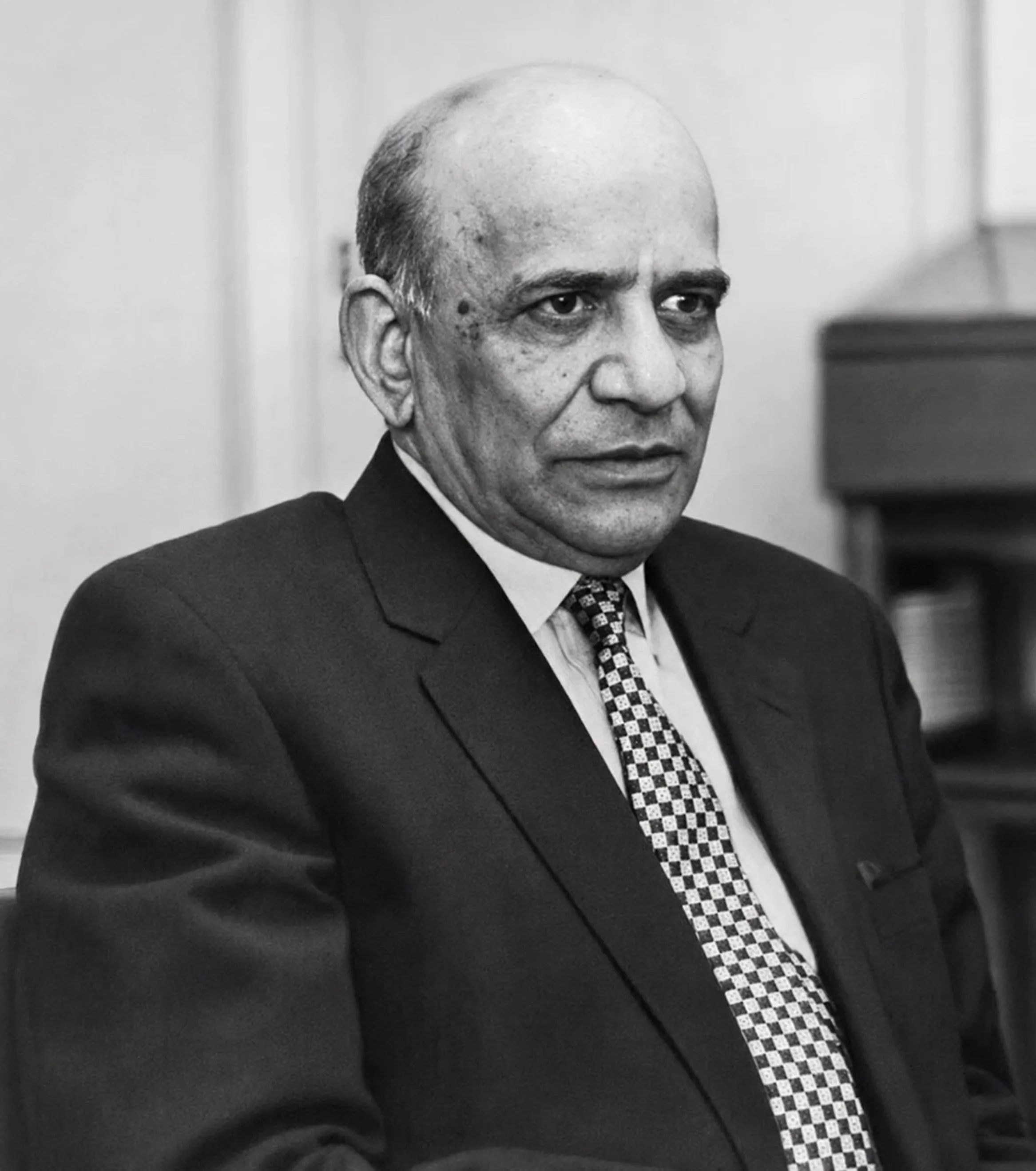
Dr. P. G. Subramanian
Dr. P. G. Subramanian Officer in Charge, Hematopathology · ACTREC, Tata Memorial Centre, Mumbai
"
The future belongs to those who combine strong morphological understanding with molecular fluency, clinical context, and a commitment to translating evidence into better patient care.
Path-iQ Editorial · Dr. Nikhil Patkar's work
Dr. Nikhil Patkar
Dr. Nikhil Patkar Lead Investigator, ACTREC, Tata Memorial Centre, Mumbai · Molecular Hematology & Precision Diagnostics

Profile 05  ·  Molecular Hematology & Precision Diagnostics

Nikhil
PatkarBringing molecular hematology closer to patient care

Dr. Nikhil Patkar · Active · Lead Investigator
Institution
ACTREC, Tata Memorial Centre, Mumbai
Specialty
Molecular Hematology · Flow Cytometry · Precision Diagnostics
Research Focus
Acute myeloid leukemia · MRD assessment · WHO myeloid neoplasm classification

Dr. Nikhil Patkar represents the next generation of Indian pathology leadership, where molecular biology, flow cytometry, computational analysis, and clinical interpretation converge. A clinician scientist and Lead Investigator at ACTREC, Tata Memorial Centre, his work focuses on the molecular understanding of blood cancers and the translation of complex biological data into more precise diagnosis and disease monitoring.

The Transition For decades, hematopathology relied primarily on morphology. Today, many leukemias and lymphomas are defined not only by what is seen under the microscope but also by genetic alterations, fusion genes, molecular signatures, and measurable residual disease.

Research Dr. Patkar's work sits directly within this transition. His research includes acute myeloid leukemia and the dynamics of relapse — a clinically important problem, because patients who appear similar at diagnosis may have markedly different disease courses. Molecular testing helps reveal genetic and biological features that can influence prognosis, treatment response, and the risk of recurrence.

"
MRD assessment detects cancer cells remaining after treatment even when conventional examination suggests remission — findings that directly guide subsequent clinical decisions.
Path-iQ Editorial · Dr. Patkar's research

Publications His recent work includes contributions to molecular techniques in hematopathology, WHO classification of myeloid neoplasms, and sensitive flow-cytometry approaches for measurable residual disease assessment in B-lymphoblastic leukemia and lymphoma. Integrated Diagnostics His career reflects the broader transformation towards integrated diagnostics, where morphology, immunophenotype, cytogenetics, and molecular findings are synthesised into a single biological narrative of disease.

Key Contributions
  • Molecular hematopathology research; acute myeloid leukemia relapse dynamics
  • MRD assessment by flow cytometry in B-lymphoblastic leukemia & lymphoma
  • WHO myeloid neoplasm classification contributions
  • Precision diagnostics and translational research, ACTREC
Curated by Path-iQ
Suggest a
Pathologist

Know an Indian pathologist whose documented contributions deserve recognition? We review suggestions quarterly and add profiles to this editorial selection. Include institutional affiliation and a brief description of contributions.